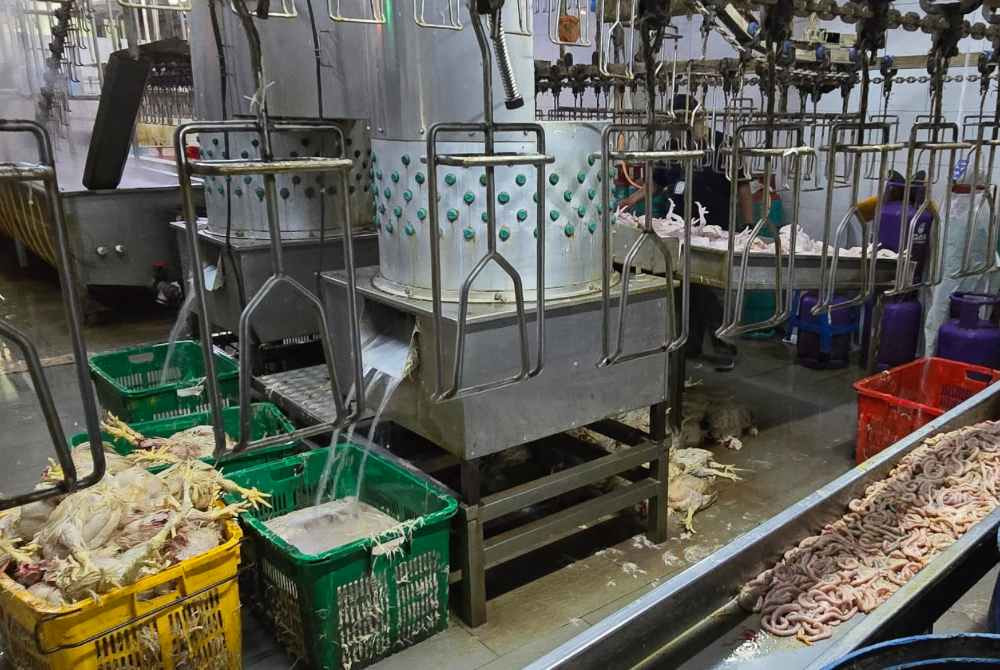
The Subang Jaya City Council (MBSJ) has ordered three chicken processing premises in Puchong Industrial Park to close following an integrated enforcement operation on 16 November 2026.
The inspection covered nine identified premises and involved 89 personnel from MBSJ’s Enforcement, Health, Licensing and Corporate departments, with assistance from the Selangor Islamic Religious Department (JAIS).
The operation uncovered several violations involving hygiene standards, business licensing and environmental management, highlighting the importance of regulatory compliance among food-processing operators in Puchong.
What Are the Key Findings?
According to MBSJ, the inspection produced the following results:
-
Premises Identified: 9 chicken processing premises.
-
Premises Inspected: 8 premises.
-
Grade B: 5 premises.
-
Grade C: 1 premise.
-
Grade D: 2 premises.
-
Closure Orders: 3 premises were ordered to close.
-
Enforcement Personnel: 89 officers and personnel participated.
One of the nine identified premises was not operating when the inspection took place.
What Violations Were Discovered?
The enforcement operation identified several issues involving business operations and public health.
These included:
-
Obstructing public spaces.
-
Failure to maintain clean premises.
-
Improper discharge of effluent and sewage.
-
Operating without a valid business licence.
-
Failure to meet required hygiene standards.
Two premises received Grade D hygiene ratings, while another was found operating without a valid licence.
MBSJ issued notices and closure orders as part of its enforcement action.
Why Is This Important to Puchong’s Food Industry?
Puchong Industrial Park is home to businesses involved in food processing, manufacturing, distribution and other industrial activities.
Food-processing operators play an important role in the wider supply chain, supplying products to retailers, restaurants, wholesalers and other businesses.
However, enforcement action against non-compliant operators could have several implications:
-
Business Compliance: Food-processing companies may need to review their hygiene practices, licences and operating procedures.
-
Operating Costs: Businesses may need to invest in better cleaning systems, waste management and facility improvements.
-
Supply Chain Reliability: Retailers and food businesses may need to pay closer attention to the compliance of their suppliers.
-
Consumer Confidence: Consistent enforcement can help strengthen public confidence in food safety.
What Does This Mean for Local Businesses?
The operation serves as a reminder that industrial businesses in Puchong must comply with local authority requirements and relevant public health regulations.
For food manufacturers and distributors, maintaining proper hygiene standards is not only a regulatory responsibility but also an important part of protecting their business reputation.
Companies that maintain good operating standards may also be better positioned to build long-term relationships with customers, retailers and business partners.
What Happens Next?
MBSJ stated that enforcement activities will continue, including inspections, notices, compounds and closure orders against operators who fail to comply with the relevant requirements.
Businesses operating in Puchong’s industrial areas should therefore ensure that their premises, licences and waste-disposal arrangements meet the required standards.
Discussion
Do you think regular inspections can help improve hygiene standards among food-processing businesses in Puchong?
Should businesses face stricter penalties if they repeatedly fail to meet licensing and cleanliness requirements?
Source: sinardaily
Published Date: 2026-11-19T02:20:00Z